Party cakes: best yellow layer cake with pastry cream and fresh fruit

A couple of months ago, I donated a custom party cake to a silent auction benefiting the Downers Grove Choral Society. Our director won the auction and asked me to make the cake for our chorus social.

This is one of my very favorite cakes, and I’ll share the method so you can make it, too! It’s colorful and showy, but doesn’t require complicated cake decorating skills. I was inspired by the signature cake from the Swedish Bakery in the Chicago neighborhood of Andersonville, and pictures of Fourth of July flag cakes topped with fresh fruit.

For the cake layers, I used Smitten Kitchen’s Best Yellow Layer Cake recipe. This was a 12-inch cake (40-50 servings), however, so I made two batches of cake batter–one for each 12-inch cake pan. I baked the layers, one at a time, in a 325 degree oven (a lower temperature allows larger cakes to bake more evenly) for about 50 minutes. I baked them the night before, let the layers cool completely, and wrapped them tightly in plastic wrap until the next afternoon.

The cake is filled with vanilla pastry cream. This recipe from King Arthur Flour is so easy (as directed, omit the whipped cream, because you want a sturdy, sliceable filling), and you can–and should!–make it ahead of time and chill it well. I used about two-thirds of the pastry cream to fill this large cake. The kids ate the rest for dessert last night, topped with extra fresh fruit and whipped cream.

I frosted the cake with a triple recipe of stabilized whipped cream. You can certainly just use regular, sweetened whipped cream, but if you need to make the cake several hours ahead, or you anticipate leftovers, stabilized whipped cream will ensure that the cream holds its shape under the fruit and doesn’t melt. I try to avoid specialty ingredients, but you should be able to find clear piping gel in the cake decorating aisle of your local craft store, or you can order it online from Wilton. King Arthur Flour also makes a whipped cream stabilizer.

To assemble the cake, first trim any domed top off the cake layers with a long, serrated bread knife so that they are fairly level. Place one cake layer on a cardboard cake board or serving platter. Spread chilled pastry cream about 1/2-inch thick over the layer, stopping about 1/2-inch from the edge all around (this allows a little space for the cream to spread when you place the top layer of cake over it). Place the second cake layer on top of the pastry cream.

(If you’re making a large cake, as I did, push a couple plastic drinking straws through the cake to anchor the layers together, and snip them off level with the top of the cake. I like this bit of insurance if I’m transporting the cake to another site.)


Spread about 1/3 of the stabilized whipped cream in a very thin layer over the entire cake. This is called the crumb coat, and it doesn’t have to look perfect. Refrigerate the cake for at least 30 minutes. While you’re waiting, wash and slice whatever fresh (the mandarin oranges are canned) fruit you choose and lay them out on paper towels, patting them dry if necessary.

Set aside about 1 cup of whipped cream if you’d like to pipe a decorative border  (you could skip this step completely). Use the remainder to frost the cake. You can go for a smooth look, or make it intentionally swirly. Then arrange the fruit in whatever pattern you like. I like to make monograms or numbers (for birthdays or anniversaries), but you can do whatever looks prettiest to you. You can use a single kind of fruit, or several.

Finally, heat a couple tablespoons of apple jelly (or any kind of light colored jelly) for 20 seconds in the microwave. Glaze the fruit very lightly with a pastry brush.

This cake is best served at room temperature, but store it for longer periods of time in the refrigerator.

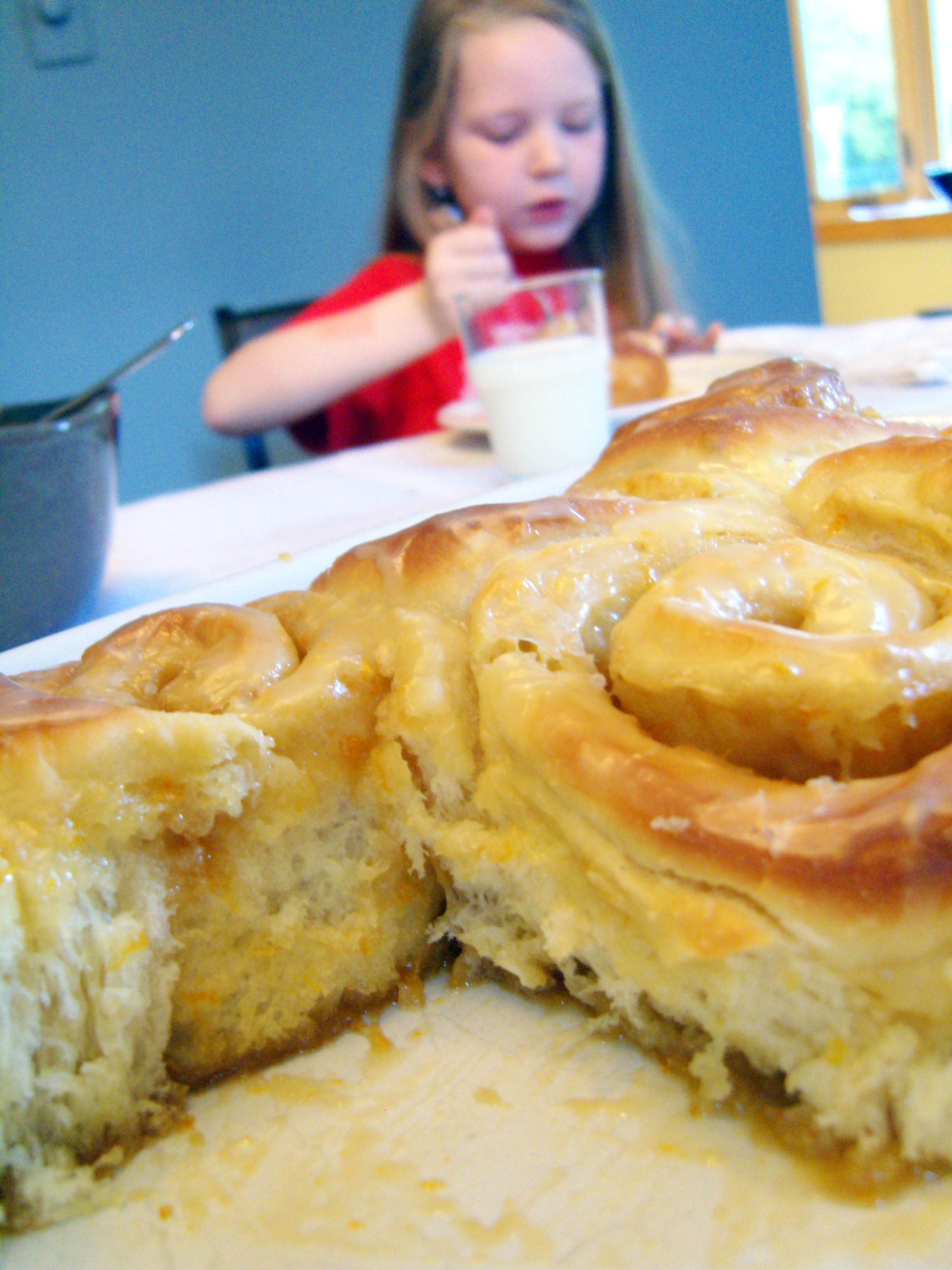
No-knead overnight orange rolls

I probably read too many food blogs, magazines and cookbooks, because every day I see delicious recipes that I have no time to make. Just last week I bookmarked these decadent orange rolls and I wanted to make them right away. But once I sat down and really read the recipe, the three cups of confectioner’s sugar and over two sticks of butter scared me off a little. It’s not that I didn’t think they would be delicious, it’s just that I went to the freezer and realized that we were on the last pound of the four-pound pack of butter from Costco that we bought at Easter. Wasn’t Easter just a little more than a week ago? Just where did all that butter go?

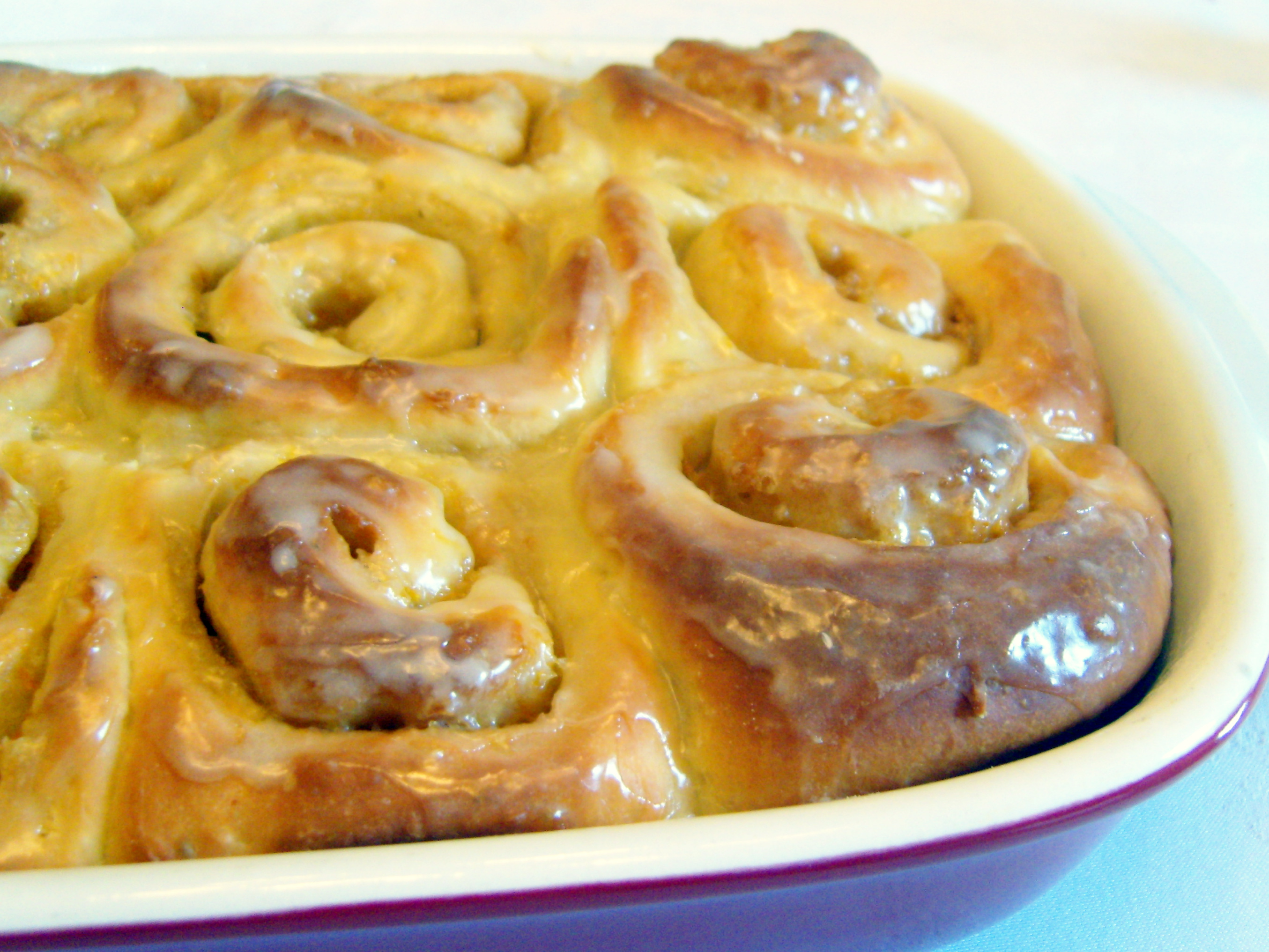
But I couldn’t get those orange rolls off my mind. After a little browsing through the archives of Artisan Bread in Five, I decided to make a batch of no-knead challah dough, and then turn that into orange rolls. Granted, I still used two sticks of butter, but since I only used half of the dough…well, you do the math. There wasn’t too much effort involved (five minutes here, ten minutes there–maybe 30 minutes total), and the results were spectacular. SPECTACULAR, I tell you. Tender, fluffy and gooey, with a distinct orange perfume. I still have the other half of the challah dough, and I’m sorely tempted to make another pan of orange rolls. Instead I’ll try to be practical and make little ham and cheese buns–something to pop into lunch boxes.

You, however, should go make orange rolls immediately. You can either make a whole batch of challah dough (four pounds) and use half for the orange rolls, or cut the dough recipe in half and use all of it. If you don’t have enough people around to eat a whole pan of orange rolls, freeze the extra baked rolls individually (well-wrapped) and enjoy them whenever. They reheat very nicely.

No-Knead Overnight Orange Rolls

1/2 batch of no-knead challah dough (about 2 lbs. of dough–ignore the topping)

zest of 2 large oranges

8 ounces unsalted butter, melted

3/4 cup brown sugar

1 tsp. vanilla

Glaze:

juice of 1/2 orange (about 1/3 cup)

1 1/2 cups confectioner’s sugar

1/2 tsp. vanilla

The day before you want to serve the orange rolls, mix up the challah dough and let it rise for 2 hours at room temperature. Refrigerate the dough. Before you go to bed, sprinkle plenty of flour on the top of the cold dough and scoop out half–or all of it if you only made half a batch–onto a well-floured silicone mat. Roll the dough out into a 10″x18″ rectangle, or about the size of the silicone mat. Let it rest while you mix the orange zest, butter, brown sugar and vanilla together in a small bowl. Spread the mixture onto the dough all the way to the edges. Roll the dough into a log from the longer side, lifting the silicone mat to help push it along (like rolling sushi). Cut the log into 12 equal slices with a piece of dental floss, and place each roll into a well-greased 9″x13″ baking pan. Cover tightly with plastic wrap and refrigerate overnight.

In the morning, heat the oven to 350 degrees. Remove the pan from the refrigerator and let rest for at least 20 minutes on top of the warming oven. Bake the rolls, uncovered, for 30-40 minutes, or until a deep golden brown.

While the rolls bake, mix up the glaze. Whisk the orange juice, confectioner’s sugar and vanilla together in a small bowl. Let the rolls cool slightly (5-10 minutes), and then spoon the glaze over the top. Serve warm.

Baking with whole grains

I’ve baked with whole wheat flour for several years now. I certainly haven’t given up white flour, but I often replace up to half of the white flour with whole wheat in a recipe that I’m comfortable with. In some recipes you can get away with using all whole wheat flour (brownies!), and some recipes are designed to showcase the nutty flavor of whole wheat (remember these chocolate chip cookies?). I’ve been meaning to try baking with some other whole grain flours, but that meant planning ahead and making a special trip to Whole Foods or Bulkfresh Pantry.

After months of flipping longingly through the pages of Good to the Grain and La Tartine Gourmandeboth of which are full of recipes with unusual flours, I finally spent a couple of hours stocking up on a variety of whole grain flours. I bought about two pounds each of barley, rye, spelt, millet and buckwheat flours. While I was at it, I bought oatmeal, and raw sunflower and pumpkin seeds, too. I also contemplated quinoa and amaranth flours, but balked at the price. I had plenty to experiment with, so I stopped there.

At home, I labeled each bag of flour and dropped it into a zippered freezer bag. They all pack nicely into the freezer where they’ll stay fresh until I’ve worked my way through some more recipes. I can’t wait to try these Rye Crumble Bars, and Sunday morning might be the perfect time for some Five-Grain Cream Waffles.

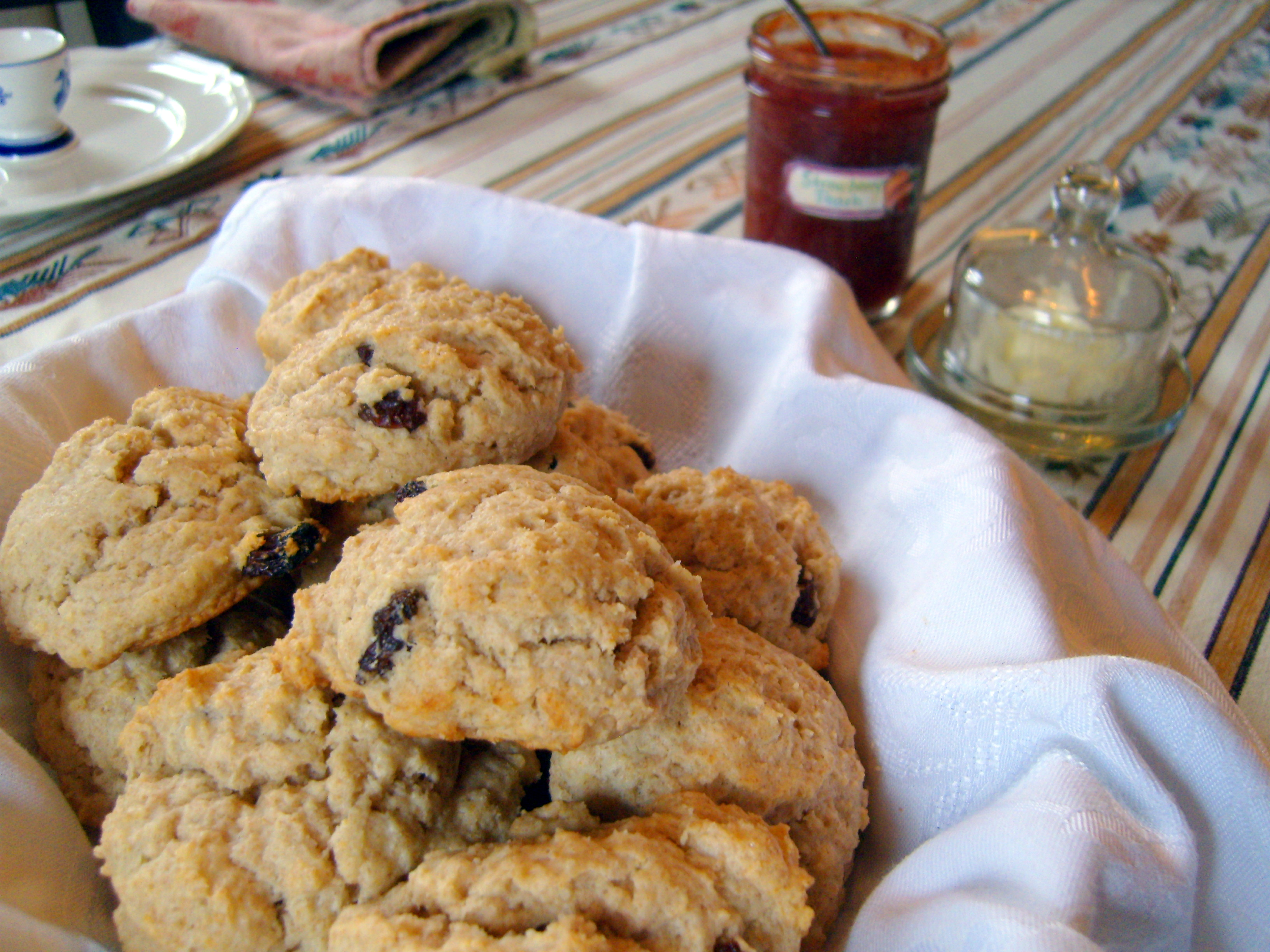
But my first attempt was the currant scone recipe with spelt flour from Good to the Grain. It was already late in the evening and I wanted something for an easy breakfast the next morning. I made two small changes: using raisins instead of currants, and making 14 smaller scones instead of 9 large ones. And if I haven’t confessed this before, I’ll tell you now: I almost never sift. Unless it’s a wedding cake or there’s cocoa powder (that stuff really clumps) in the recipe, I just dump the dry ingredients in the bowl and whisk them together well.

The scones were lovely, and we each had two for breakfast and finished them off the next morning. They were incredibly tender, but with a slightly crunchy golden crust. The spelt flour has its own subtle sweetness, so there’s only a little bit of sugar in the mix, just waiting for a bit of butter and your favorite jam.

Spelt and Raisin Scones

adapted from Good to the Grain 

1 1/4 cups spelt flour

1 cup all-purpose flour

2 T. sugar

1 T. baking powder

1/2 tsp. kosher salt

2 ounces cold unsalted butter, cut into small chunks

1/2 cup raisins

1 1/2 cups heavy cream

Heat oven to 400 degrees. Grease a large baking sheet. Whisk the dry ingredients together in a large bowl. Add the butter chunks and rub the butter into the flour with your fingers until the mixture resembles cornmeal. Stir in the raisins. Pour in the cream and stir just until the dough sticks together and all the flour is incorporated.

Using an ice-cream scoop or two spoons, scoop out 12-15 mounds of dough onto the baking sheet, leaving a couple inches between the scones. Bake for 12-15 minutes, or until the scones are golden brown. If you bake them the night before, just pop them back into a 300 degree oven until they are warm.

Swiss muesli–make it ahead, take it to go

For anyone dashing out the door in the morning, too busy to eat breakfast first, this one’s for you. Going to the gym (nobody in my house, but I’ve heard of people who do) and then on to work, and need a quick breakfast in between? This is it. Like so many of my favorite recipes, it’s just a loose formula that you can adjust to your taste and what you happen to have in your pantry. Corner Bakery Café sells cups of Swiss oatmeal for over $4 to tempt rushed and hungry commuters. Obviously, it’s cheaper (and faster) to make it yourself at home the night before. Five minutes is all you need.

Swiss Muesli

serves 2-4

1 cup rolled oats (quick or old-fashioned)

1 cup yogurt

1 cup fruit juice or milk

1/4 tsp. salt

fresh fruit, washed and sliced if necessary

Optional: wheat germ, bran, flax seed, sunflower seeds, chopped nuts, dried fruit

In a bowl, stir together the oats, yogurt and juice or milk. Add whatever optional ingredients you like. Cover the bowl and refrigerate overnight. If you’re short on time in the morning, go ahead and divide the mixture into individual containers and top with fresh fruit. On your way out the door, pop the container and an ice pack into your lunch bag. Eat your healthy breakfast when you get around to it and feel virtuous all day.

Extra tips:  If you use plain yogurt, you may want to add a little honey to the mixture. Flavored yogurt works just fine, too. Some people like to add the nuts at the last minute (presumably so they don’t get soggy), but I’m not that picky about it. This is also easy to make gluten-free, if you read the labels on your ingredients carefully.

Corned beef and cabbage

Until a couple of years ago, I had never tried corned beef, and sort of assumed I wouldn’t like it. But one St. Patrick’s Day, my husband requested it, so I gave it a try. Turns out, I do like it, and it’s not difficult to make. The kids aren’t really fans (they’ll eat three bites and then fill up on soda bread), so this year I bought a very small piece of corned beef. There should still be enough leftovers for a couple sandwiches or maybe some corned beef hash for Sunday brunch.

I didn’t reinvent anything here, but this is the recipe I’ve used and and enjoyed. I always use the slow cooker, though, for eight hours on low. And this year we’re going to roast the cabbage to go alongside. We like roasted anything better than the steamed version.

What to do with all that extra cabbage? If I cooked the whole head, we’d run out of corned beef long before we finish the cabbage. Melissa Clark gave three great recipe suggestions in her latest New York Times column. I may try all three (I bet the kids will even eat the pasta), and save a little cabbage to go with fish tacos next week. We love our fish tacos!

By the way, I thought I’d share my favorite cookbook of the moment: Melissa Clark’s Cook This Now:120 Easy and Delectable Dishes You Can’t Wait to MakeAlmost every recipe is simple enough for a busy weeknight, but both comforting and full of interesting flavors at the same time. Between our collection of 20-some years’ worth of cooking magazines, several shelves groaning under the weight of cookbooks, and millions of recipes on the Internet, I’m now very selective before buying a new cookbook. I like to try before I buy, so I checked this one out of the library. After making half a dozen dishes (carefully avoiding splatters on the library book), and many more I wanted to try, I plunked down the Amazon gift card I’d been hoarding and bought my own copy. This book would also make a wonderful wedding or housewarming gift for any cook, novice or experienced.

Do you celebrate St. Patrick’s Day? Green beer, anyone? 

Pasta with pesto

No doubt the internet is awash with pesto recipes, but just in case you haven’t been inspired to make your own, I’m sharing ours. If you have small children who have not yet declared their undying hatred for green food, then I would advise putting “Green Noodles” into your meal rotation as soon as possible. My kids regularly snub green vegetables, but when a bowl of green noodles appears in front of them, they magically shut up and eat. Whew!

Once you’ve made it a few times, you’ll be able to get dinner on the table in about 20 minutes, or however long it takes to boil a pot of pasta. (I like to keep angel hair pasta or capellini on hand because it cooks in just 4-6 minutes.) Add a salad (sometimes just sliced tomatoes with a drizzle of vinegar and oil) and some crusty bread if you have it.

Pasta with pesto

1 lb. pasta (whole wheat, if you like)

a bunch of greens: basil, spinach or arugula, or a mixture; washed and dried

about 1/2 cup extra virgin olive oil

2 large cloves garlic, smashed

1/4 cup toasted pine nuts (or walnuts)–omit if you have nut allergies

salt and pepper to taste

juice of half a lemon, optional

freshly grated Parmesan

Bring a large pot of water to the boil. Add a couple teaspoons of salt to the water. Cook the pasta according to the package directions. Before draining, scoop out about a cup of the pasta water and set it aside.

While the water is boiling, put the olive oil and garlic into a small microwaveable bowl. Warm the oil and garlic in the microwave for about a minute on half power. (You can do this on the stove top, too, in a small saucepan or metal measuring cup. And if you don’t mind the bite of raw garlic, you can skip this step entirely.) Fill the bowl of the food processor with your greens of choice, add the warm oil and garlic, salt and pepper. Purée the mixture until it is smooth, scraping down the sides of the bowl, and adding a little more olive oil when necessary. Taste the pesto, and add salt, pepper or lemon juice to taste.

Mix the drained pasta with the pesto, adding the reserved pasta water as needed by the 1/4 cup, until the pesto has coated all the pasta. Serve with grated parmesan.

Artichoke Heart Variation: Substitute the greens for one 14-ounce can of drained artichoke hearts. Add a small handful of parsley or spinach if you have it. Don’t leave out the lemon. We call this one “Yellow Noodles.”

Whole wheat cheese crackers

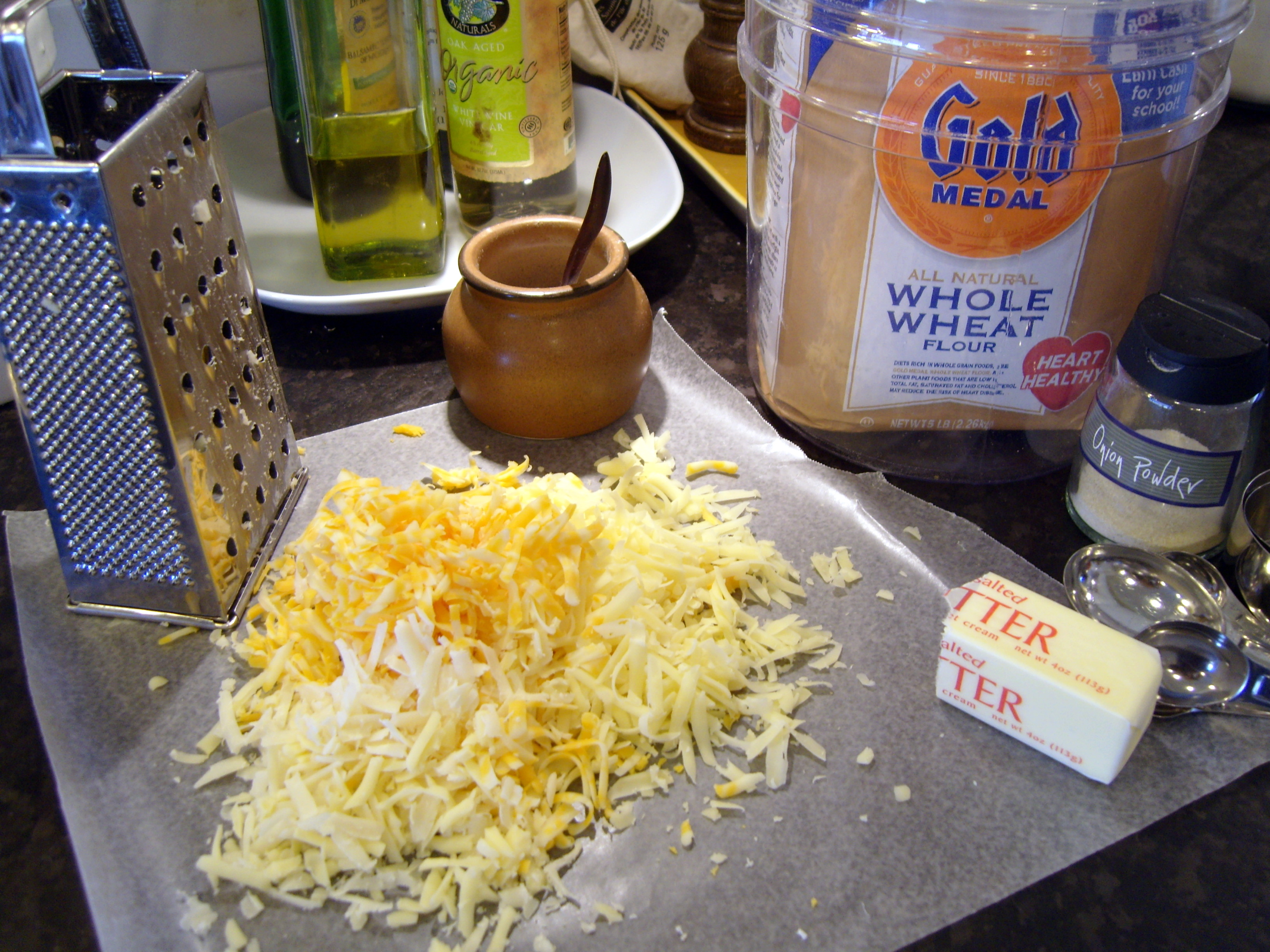
I think my children could eat their weight in Cheez-Its or goldfish crackers if given the opportunity. I don’t buy either one regularly (unless there’s a good sale and I have a coupon!), but that means I’m often scrambling to find something to pack in their lunches or dole out as an afternoon snack. I’ve been meaning to try this recipe for a long time, but I knew anything involving a cookie cutter–especially a teeny tiny fish-shaped one–was going to be filed under Too Fussy in my book. Finally it occurred to me that I could just cut the crackers into squares. I know! What a revelation! I happen to have a fluted pastry wheel, so that made the edges decorative, but a pizza cutter or a knife would work just as well. These took about 15 minutes of prep, with another 15 minutes for chilling and 15 minutes for baking. Not bad at all.

The trouble with these little crackers is simply that one batch is not enough. I am going to have to hide them from myself. The cheese flavor sings out and they are satisfyingly crispy. It makes me wonder what other flavor combinations might work…add some herbs? A little garlic? I do know that next time, I’m going to double the recipe.

      Whole wheat cheese crackers

adapted from Smitten Kitchen

1 1/2 cups grated hard cheese (I used a combination of cheddar, colby jack, Jarlsberg and Pecorino Romano)

1/2 cup whole wheat flour

1/4 cup all-purpose flour

1/4 tsp. kosher salt

1/8 tsp. onion powder

4 Tbsp. cold unsalted butter, cut into chunks

Put all ingredients into the food processor. Pulse a couple of times, and then run the processor for about 2 minutes, or until the dough is well-mixed and easily pressed into a ball. Form the dough into a disk, wrap in plastic wrap, and refrigerate for 30 minutes (or freeze for 15 minutes). Heat oven to 350 degrees. Roll out the dough to 1/8 inch between two sheets of wax paper. Cut the dough into 1-inch squares with a pastry wheel, pizza cutter, or sharp knife. Transfer squares to an ungreased baking sheet and prick each one with a fork. Bake for 12 to 15 minutes. Place the baking sheet on a rack and cool completely.

Makes approximately 100 crackers.

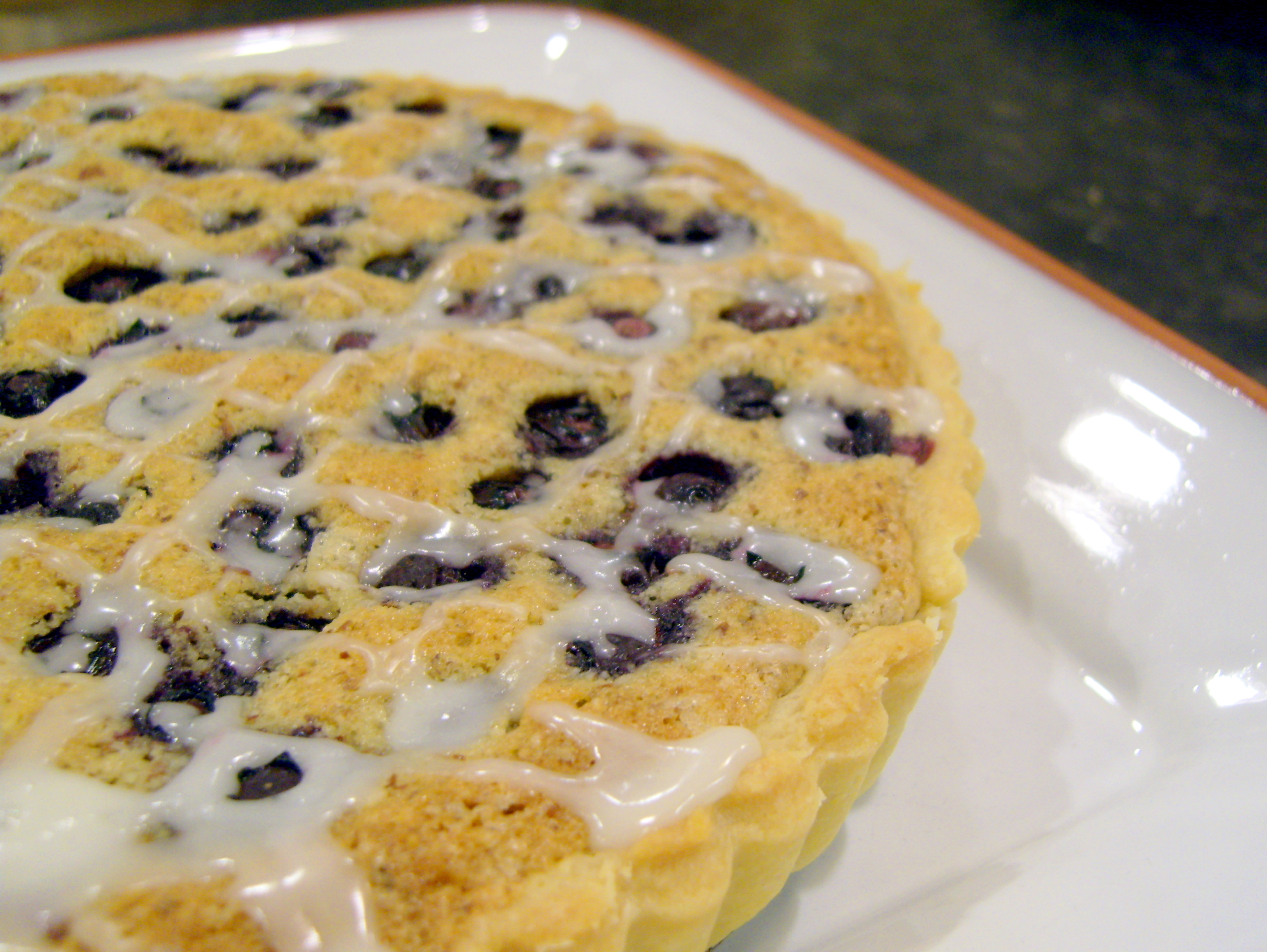
Blueberry frangipane tart

In our house, if nothing else, at the very least Valentine’s Day deserves a special dessert. Often chocolate, but not always. Last week I made a chocolate treat that saw on Pinterest (a good candidate for a last-minute, no-bake treat–it’s kind of like a homemade Butterfinger candy bar!) so I decided to try something different yesterday. Blueberries, ground almonds, pastry…I like this combination better than chocolate. Luckily, my Valentine likes most any sweet that crosses his path. I’m sorry this recipe comes too late for you to make it for Valentine’s Day, but it would be lovely for any occasion. Maybe a Wednesday.

Blueberry Frangipane Tart

Crust:

1 stick butter (1/2 cup)

1/3 cup confectioner’s sugar

pinch salt

1 egg

2 cups all-purpose flour

2 Tbsp. milk

Cream butter, sugar and salt with the paddle attachment of the standing mixer. Mix in the egg briefly. Add the flour and rub it into the butter mixture with your hands until it becomes crumbly. Add the milk and press the dough together. Try not to overwork the dough. Form into a disk, wrap in plastic, and chill for 1 hour.

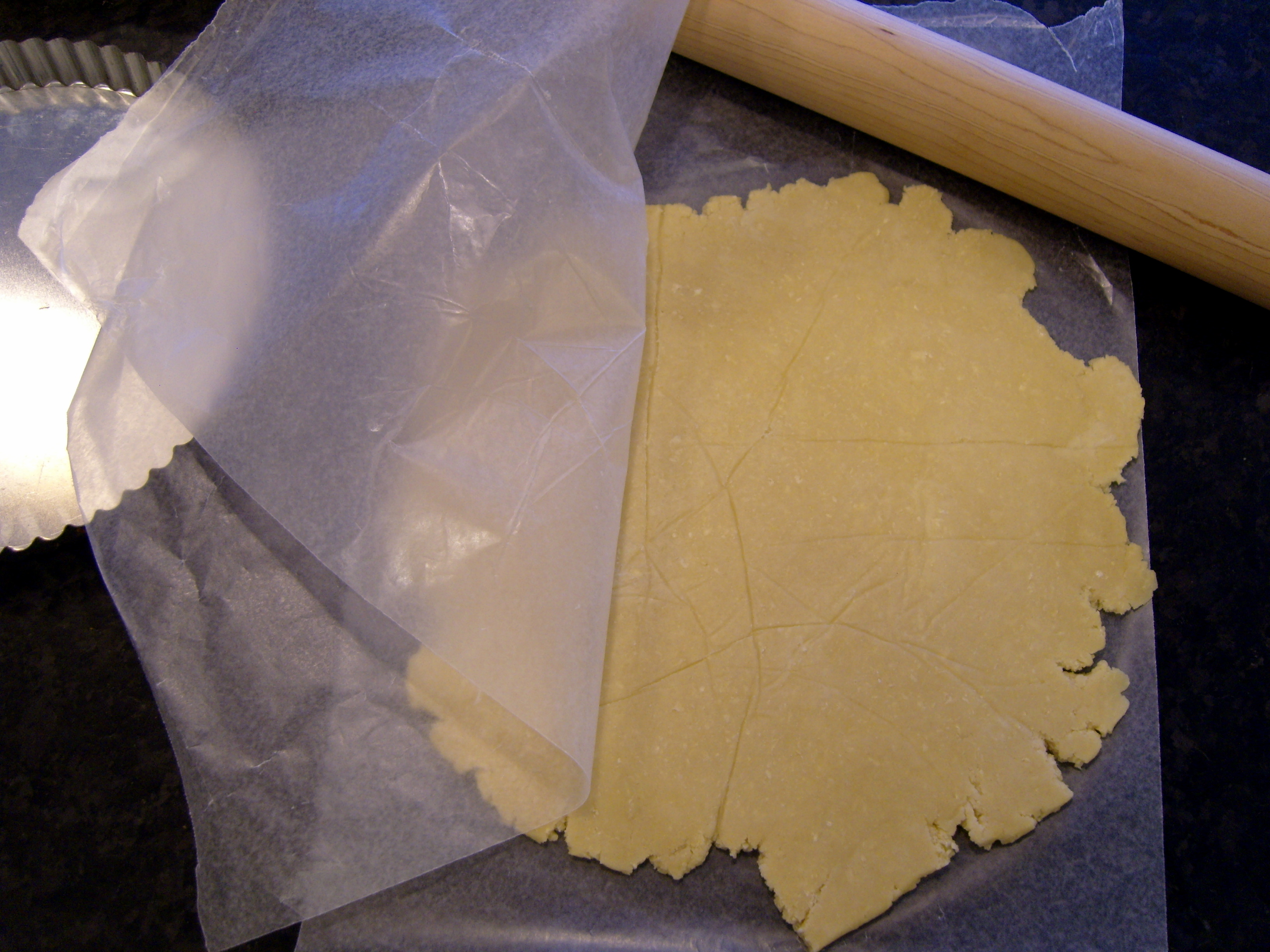
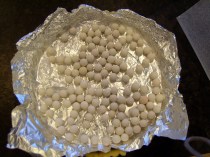
Roll out the dough between two pieces of wax paper into a 9″ or 10″ circle (depending on the size of your pan) and press into a tart pan with a removable bottom (I used 8″ but I’m sure it would have fit in the 9″). Lay a piece of foil in the crust and fill with pie weights, rice or beans. Bake for 12-15 minutes at 375 degrees. Remove from the oven and cool completely.

Filling:

1 stick butter (1/2 cup)

2/3 cup confectioner’s sugar

4 tsp. cornstarch
1 cup ground almonds

1 egg

1 egg yolk

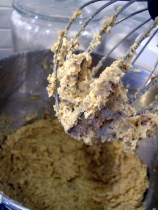
In the same mixing bowl (you don’t even have to wash it!), cream butter and sugar until light and fluffy. Switch to the whisk attachment and mix in the almonds, cornstarch, egg and egg yolk. Whisk until the mixture is fluffy. Refrigerate the filling for 1 hour.

Spread the filling into the cooled crust. Arrange fresh blueberries on top (about 1/2 pint), pressing them into the filling. Bake for 30-35 minutes, or until the filling is puffed and golden.

Glaze:

1/2 cup confectioner’s sugar

1 1/2 Tbsp. milk (or lemon juice)

Whisk together until smooth. Drizzle on top of cooled tart.


Chocolate pumpkin spice cake

I’ve been accused of packing boring lunches (not so boring that anyone wants to eat a school lunch, though), but when questioned about what other kids are bringing for lunch that is so much more exciting, my accusers could only come up with one word: “Cake.”

It’s February, and I finally tipped the last stale Christmas cookies into the garbage. Maybe we all need a little cake. I’d forgotten about this recipe until I saw a stray can of pumpkin in the pantry this morning. I made it once for a Christmas party, and it was a simple way to blend all my favorite holiday flavors in a single cake pan. To be fair, you don’t really taste the pumpkin, and I’m certain you could substitute applesauce if that’s what’s in your pantry. It’s a big cake, but it’s moist and keeps well, so you can nibble on it all week. And the scent of spices and chocolate wafting from the oven makes everything else in the day just a little more congenial.

I won’t be skipping the sandwiches and fruit, kids, but if you’re pretty good I might sneak a little slice of this into your lunch tomorrow.

Chocolate Pumpkin Spice Cake

adapted from Maida Heatter

1/2 lb. (2 sticks) unsalted butter, softened

2 cups granulated sugar

1 1/2 tsp. vanilla extract

4 large eggs

1 15-oz. can solid-pack pumpkin (or 2 cups pumpkin puree)

2 3/4 cups all-purpose flour

2 tsp. baking powder

1 tsp. baking soda

1/2 tsp. salt

1 1/2 tsp. cinnamon

1/2 tsp. ginger

1/4 tsp. ground cloves

1/4 tsp. nutmeg

3/4 cup. unsweetened cocoa powder

Preheat the oven to 325 degrees. Generously spray a 10-inch Bundt pan with baking spray (or grease and flour very thoroughly).

In a stand mixer with the paddle attachment, cream the butter. Add vanilla and sugar and beat well. Add eggs two at a time, beating well after each addition. Scrape down the bowl with a rubber spatula.

In another large bowl, whisk together the flour, baking powder, baking soda, salt, cinnamon, ginger, cloves, nutmeg and cocoa powder. Add half of the dry ingredient mixture to the butter mixture and beat on the lowest speed. Add the pumpkin, and then the rest of the dry ingredients. Beat only until just incorporated.

Scrape the batter into the Bundt pan, pushing the batter into the pan and smoothing the top with a spatula.

Bake for 90 minutes, or until a toothpick inserted in the cake comes out clean and dry. Let the cake stand in the pan for 15 minutes, then cover the pan with a rack and carefully flip it over. Remove the pan and let the cake cool completely.

If you like, sift some confectioner’s sugar over the cooled cake before serving.

Pan roasted radishes

Some nights I really struggle with summoning the energy to make dinner. Can’t everyone just pour themselves a bowl of cereal and call it a night? Naturally, this feeling is nearly always a result of failing to plan a menu. Or despite the plan, forgetting to defrost the meat.

But other nights, when the plan and the defrosting come together, making a beautiful dinner on a weeknight is no trouble at all. Roast chicken from Jamie Oliver (425 degrees for an hour and 15 minutes), with herbs slipped under the skin and stuffed with garlic; rice; a quick pan sauce; leftover roasted butternut squash (I don’t even like smoked paprika or sage–except now I do!); and an easy side of pan-roasted radishes. Their bright red skins turn gently pink, and their peppery bite becomes sweet and tender.

I suspect radishes aren’t in regular rotation in most households, except occasionally sliced into a salad. I vaguely remember finding this recipe in a long-ago Martha Stewart magazine. At this point, I’m not sure if I’m following the original recipe, but here’s what I do:

Wash and trim the radishes (one bunch is just enough for two people), and slice them in half lengthwise. If the stems are nice and fresh, leave a little bit of the stem. Over medium heat, melt 2 Tbsp. butter in a skillet. Add the radishes and cook for a couple of minutes. Pour in 1/2 cup of water and cover. Let the radishes steam/roast until fork tender (check on them every 5 minutes or so to make sure they don’t burn). When tender, uncover and add salt to taste.

My 9-year-old and 6-year-old each ate one bite without gagging. Miss Six even said, “It’s fine. Kind of sweet.” A ringing endorsement from a couple of vegetable haters that should tell you that these radishes are delicious, and you should run out and try them as soon as possible.