Iron on Tuesday

Back in the days of Laura Ingalls Wilder, or more recently, June Cleaver, women did their housework on a schedule.

Wash on Monday, Iron on Tuesday, Mend on Wednesday, Churn on Thursday, Clean on Friday, Bake on Saturday, Rest on Sunday.

June didn’t have any household help, so she must have accomplished all that in her trademark pearls, heels, and perhaps a pretty apron (nicely ironed, too). And instead of churning butter, I suppose she just went to the market.

I average a couple of loads of laundry every other day. I bake when the mood strikes and I mend a favorite item of clothing once or twice a year. I don’t iron very often–I usually save it for special occasions. My regular attire is jeans and some kind of t-shirt or sweater, nothing that I’d bother ironing. But I do have a whole pile of shirts that I’d like to wear, if only they weren’t wadded up in the ironing basket in the linen closet. Today I decided I’d get a few of those ironed so I have more than three tops to wear, along with a couple of shirts for my suit-and-tie wearing husband. Usually he irons his own shirts, but I try to help out once in a while. You know, in between my soaps and after I’ve polished off the last of the bonbons.

Ironing isn’t a big deal if you know how to do it. Practice makes perfect, as they say. When I was nine or ten, back in the 1980s when 100% cotton was making a comeback after the polyester doubleknit of the 1970s, I desperately wanted this very cute pale yellow Esprit outfit (cotton pants with a matching slouchy jacket and a pink t-shirt–I even had baby blue lace up booties to go with it). My mother consented to buy it on the condition that I learn how to iron it myself. As a teenager I occasionally ironed shirts for my dad, who paid me a quarter per shirt (perhaps that was a one-time deal–I’m pretty sure I abandoned the ironing gig in favor of babysitting). As a live-in nanny one summer, I washed and ironed as part of my duties. And now, though we have to pay to have suits, coats and the occasional dress dry cleaned, we save a small bundle by not taking shirts to the cleaners.

So here’s a little tutorial on ironing a shirt, for those of you who never learned but would like to try. Perfection is not the goal here. If you’re that motivated, go check out YouTube for a slew of how-to videos. Get most of the wrinkles out and don’t scorch the fabric, I say. If you have to wear a dress shirt to work, why fritter away your paycheck getting those shirts cleaned and pressed? Not to mention, you can’t watch HGTV while driving to the cleaners and back.

How to Iron a Shirt

1. Plug in the iron and set it to the appropriate setting. I was ironing cotton and linen, but I like to set it a bit cooler so I don’t scorch anything. (I suspect our iron runs a little hot.) If you’re ironing cotton or linen, definitely crank up the steam. If your shirt has polyester or another synthetic, dial down the heat or you’ll melt the shirt. Really. You can use spray starch or a spray bottle of water, too, but I’ve found that the starch gunks up the iron after a while. Ideally, you’d iron the shirt while it’s still damp from the wash, but let’s get real. Your shirts are probably just like ours, piled in a basket somewhere in the back of the closet.
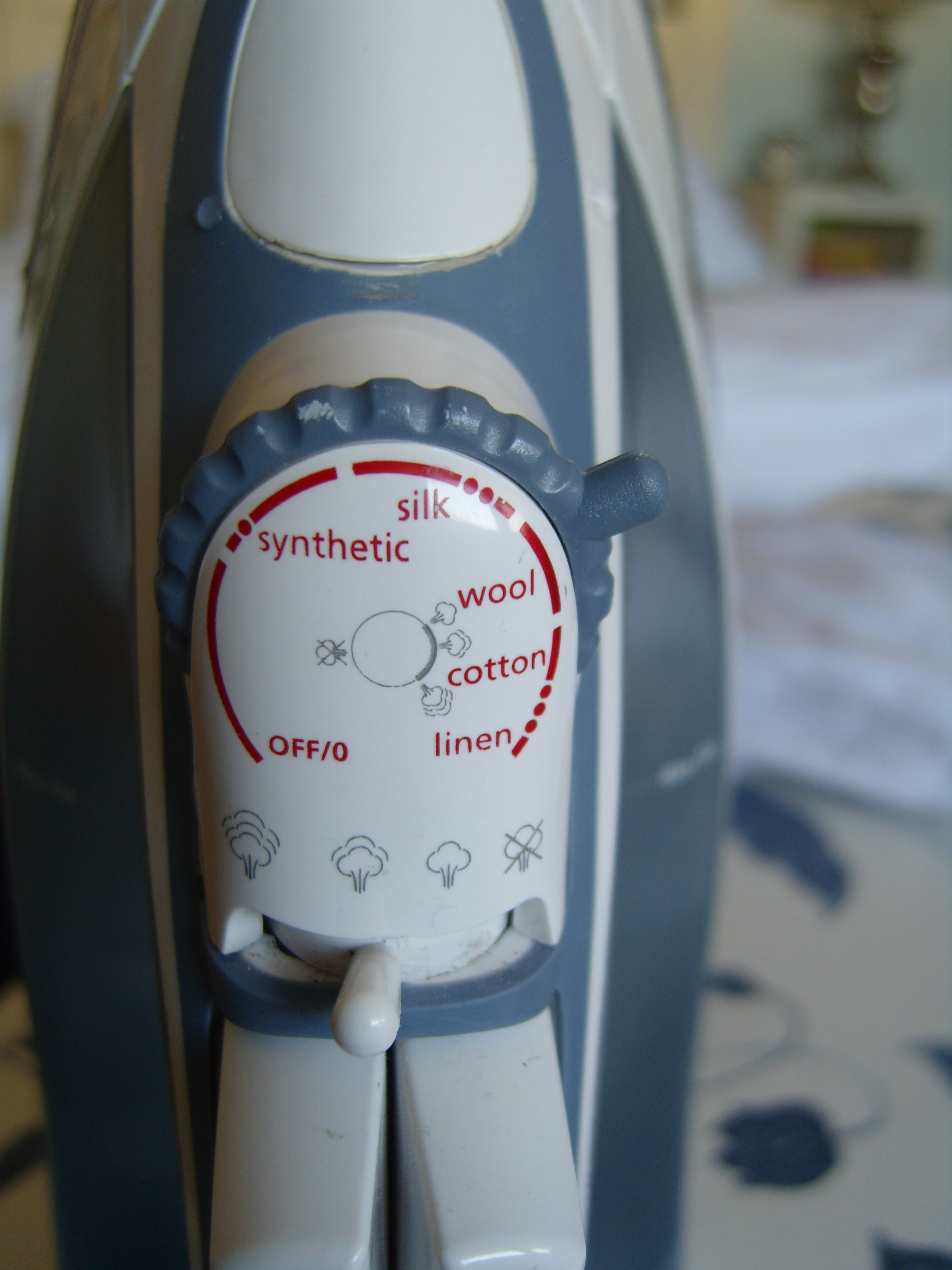
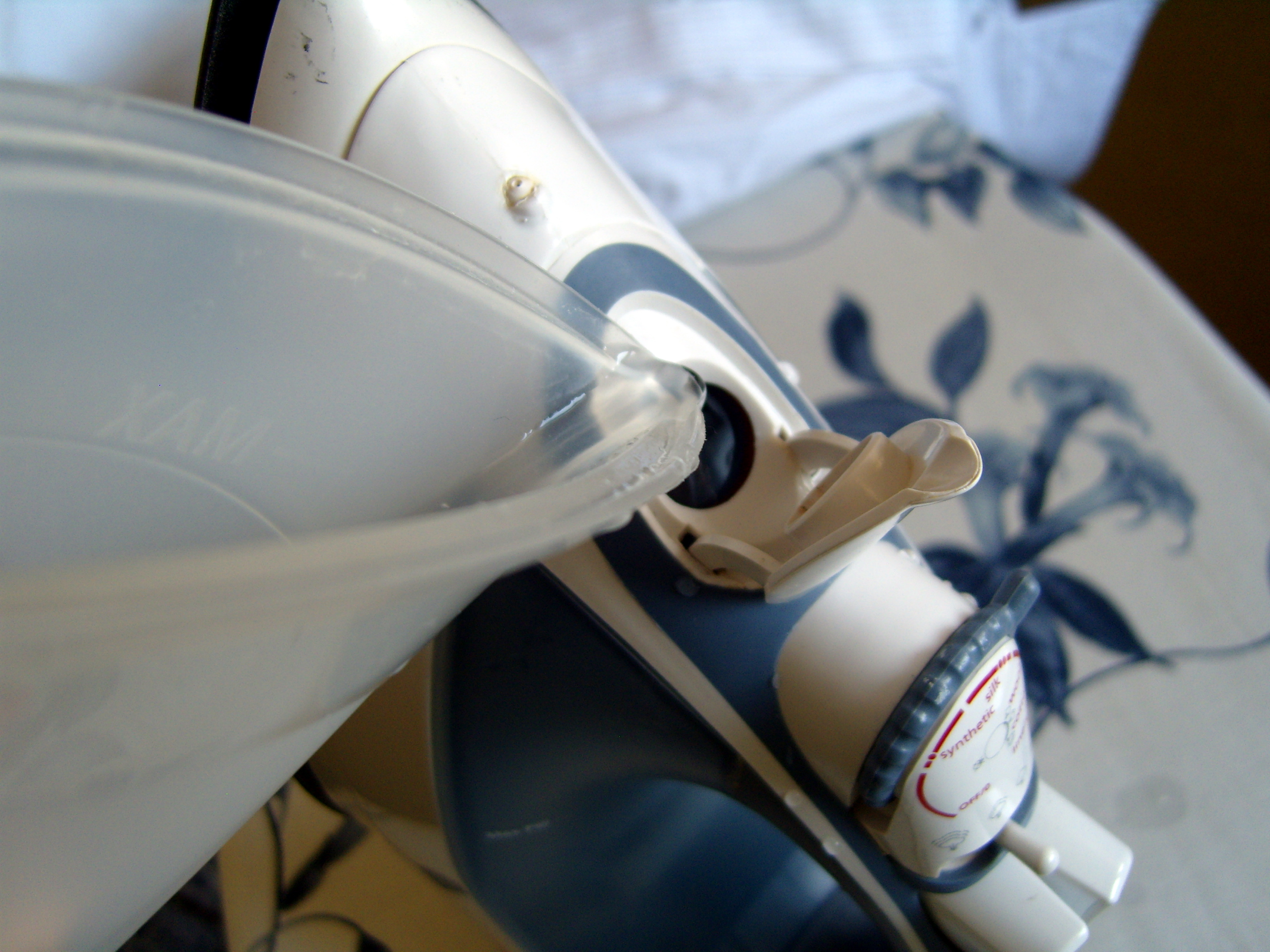
2. Fill the iron with water. (Some irons require distilled water; we just use tap water in ours and empty it faithfully when we’re finished.)
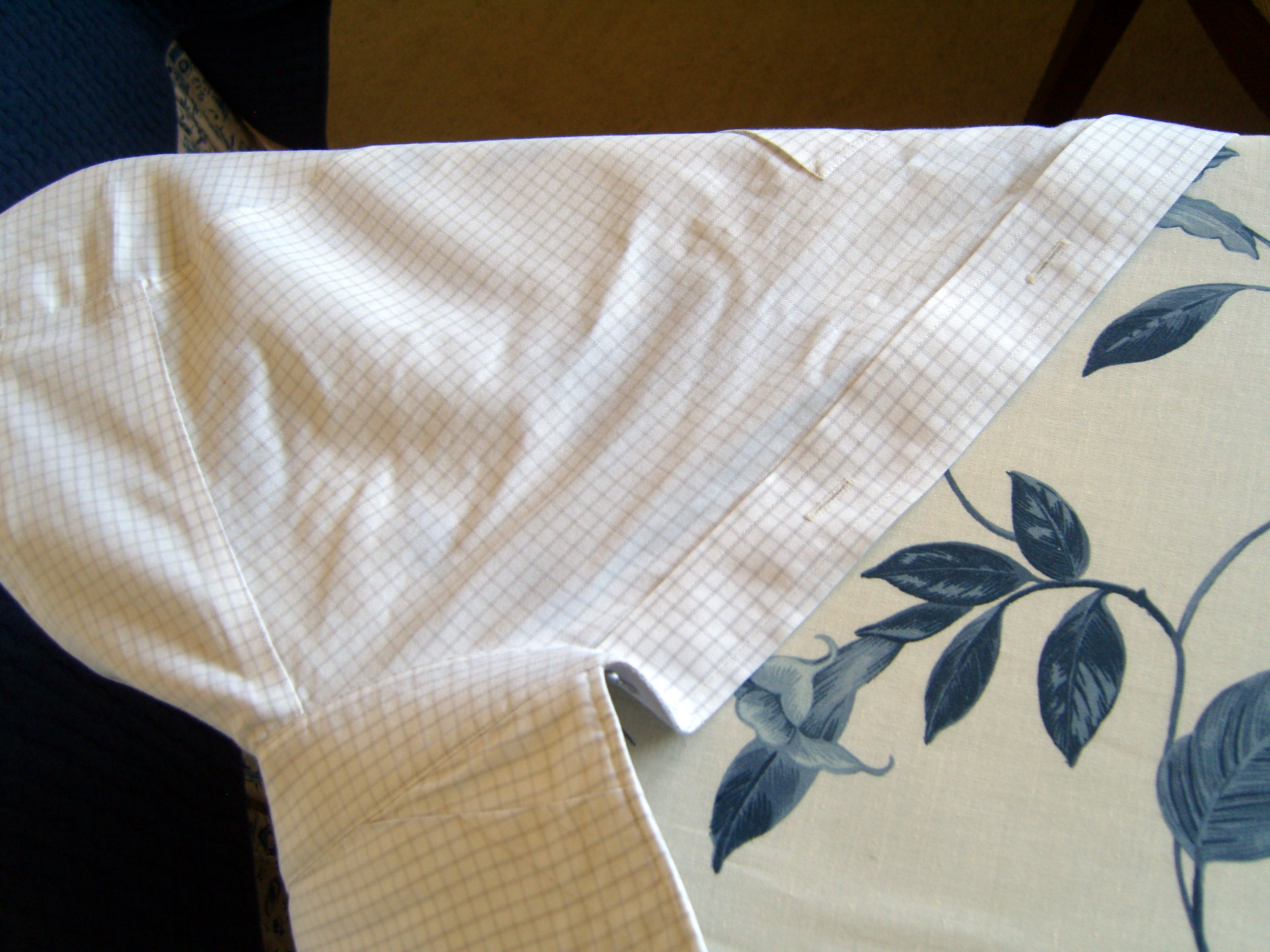
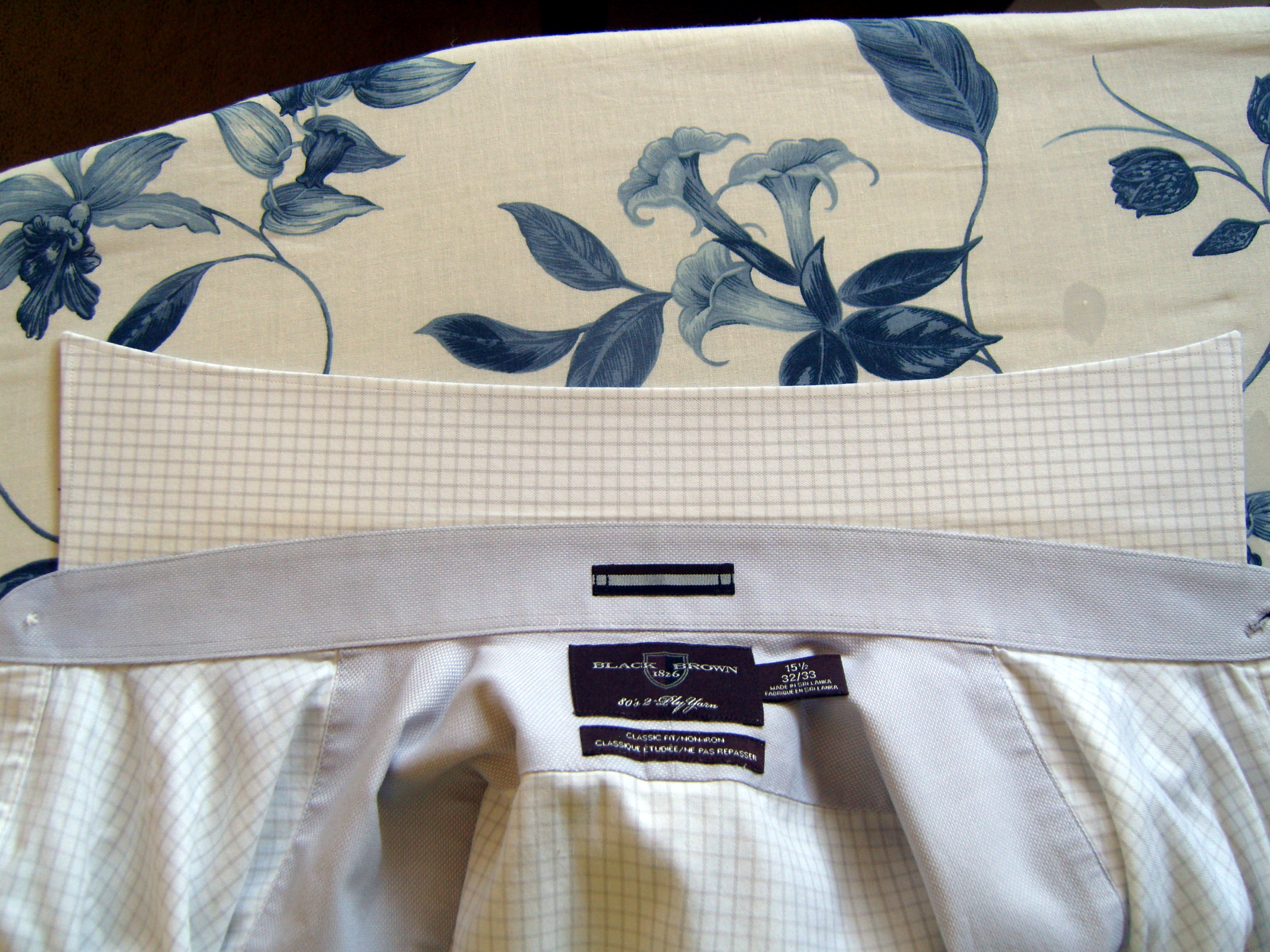
3. Iron the yoke. What is the yoke, you ask? It’s not part of an egg (that’s a yolk, and maybe you need to review your spelling words), or something to hitch to your team of oxen. Check out the photo below: it’s the part of the shirt that goes across the back of the shoulders, just below the collar. You won’t find one on some casual shirts or women’s blouses, but a standard men’s dress shirt definitely has a yoke. Slide it onto the narrow end of the ironing board and iron half of it. Then flip the shirt around and iron the other half.
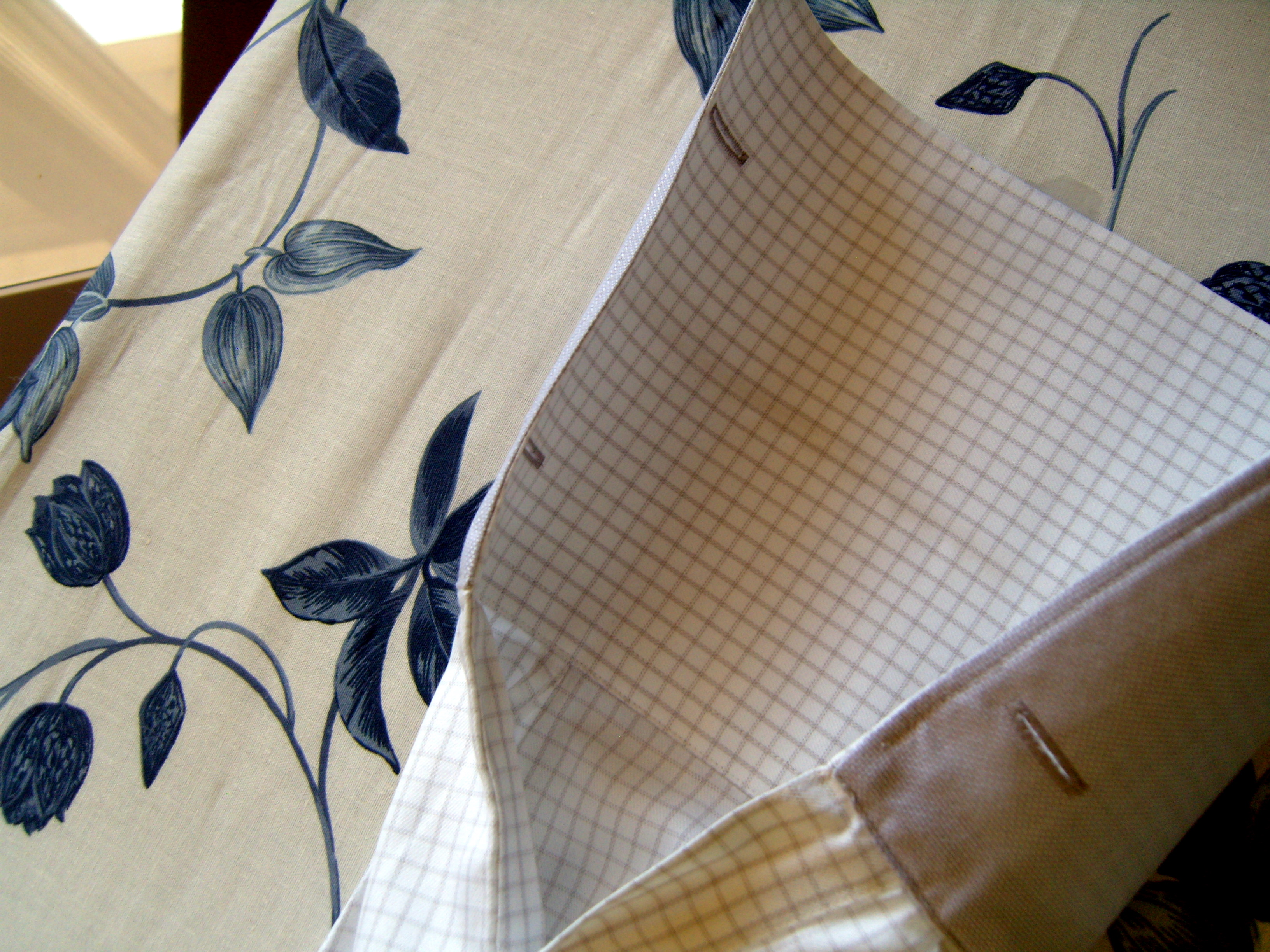
4. Iron the collar. First do the wrong side, then the right side. Fold the collar down and lightly iron the fold.

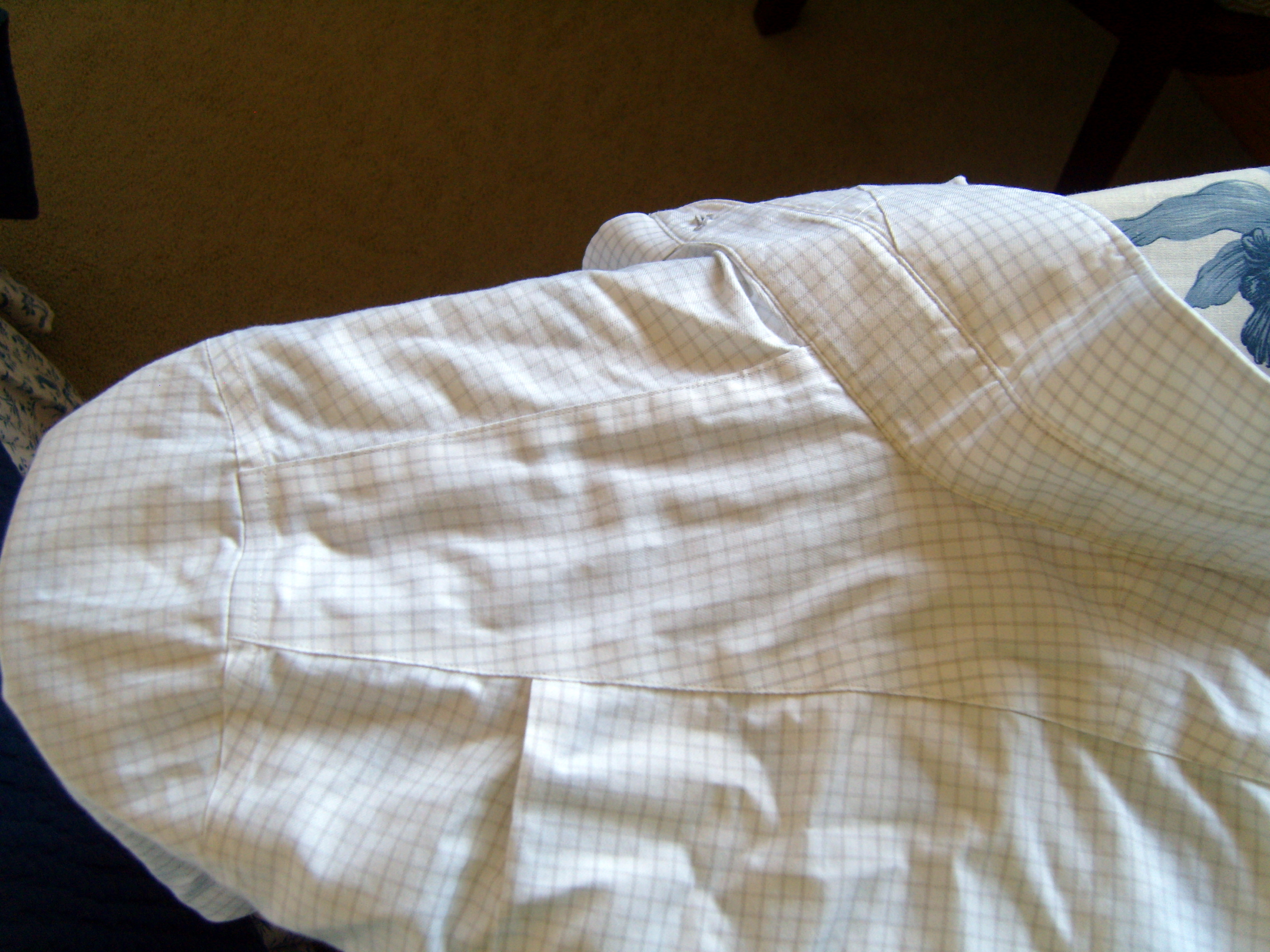
5. Iron the sleeves. Lay the first sleeve flat on the ironing board. Smooth it out with your hands so the seams are flat. Iron first one side, then the other. Repeat for the other sleeve.

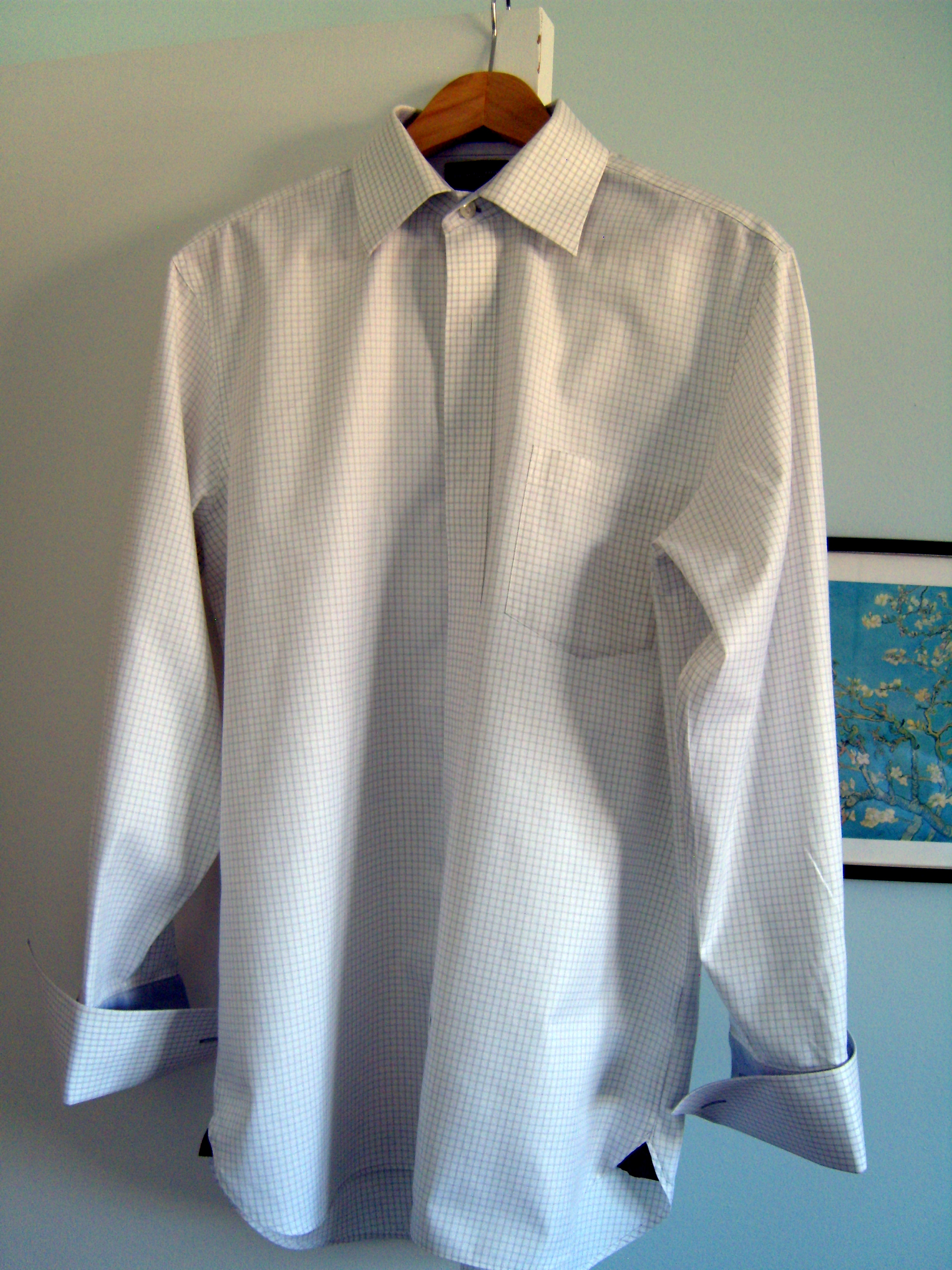
This shirt has French cuffs (because my husband is fancy that way). Iron the cuff flat, then fold it over, making sure the buttonholes line up, and lightly iron the fold.
7. Iron the front and back panels. Start on one side and work your way around to the other side. Start at the top of each panel where it meets the collar and sleeves, and work in sections down to the bottom hem of the shirt. Iron in between buttons, not over them.

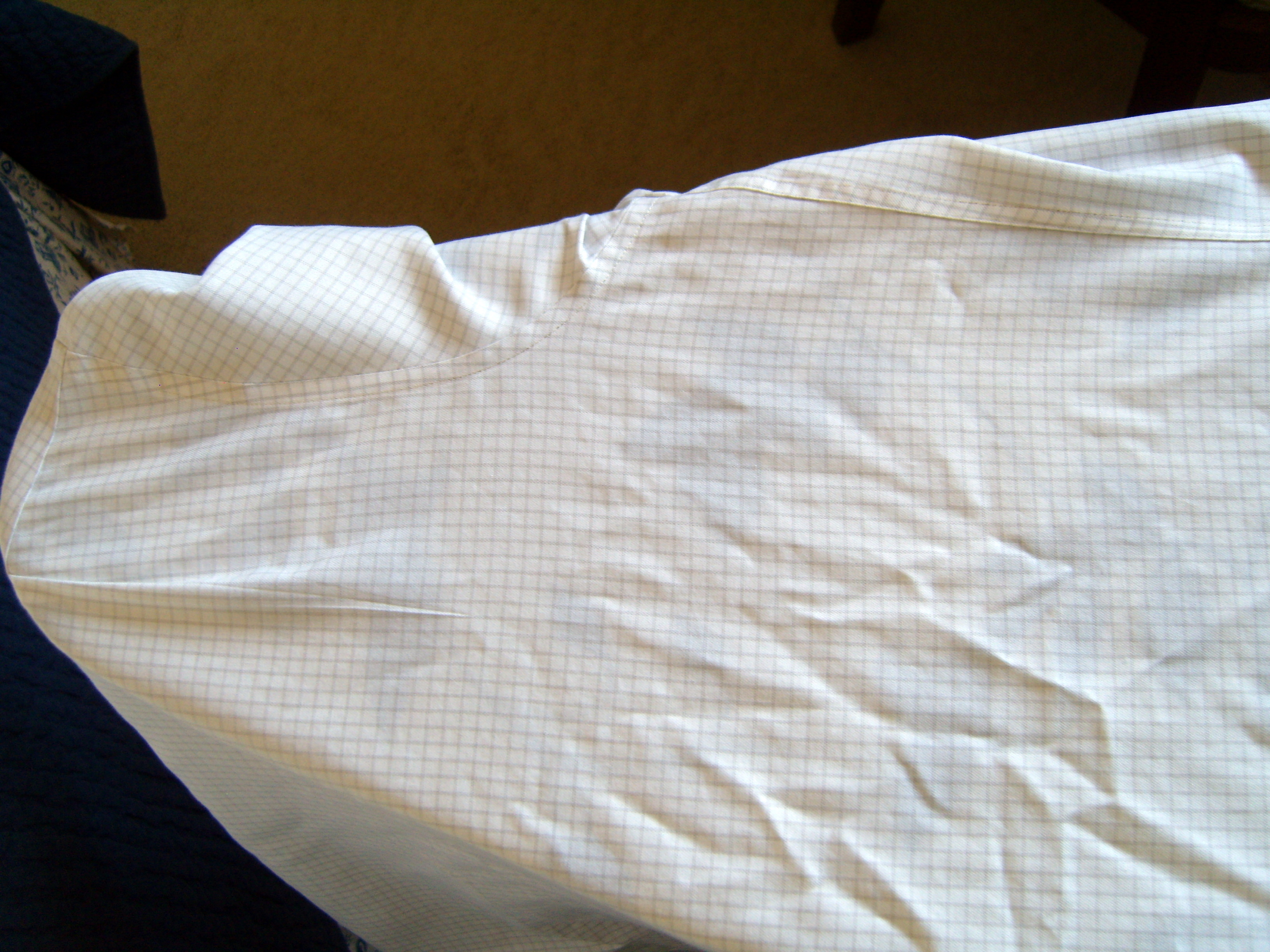
When you get to the pocket, don’t try to press the whole pocket at once. You’ll probably end up with a crease somewhere. Iron half of it from one side, and then do the other side.

8. Now hang up your freshly ironed shirt and button the top button so it hangs nicely.
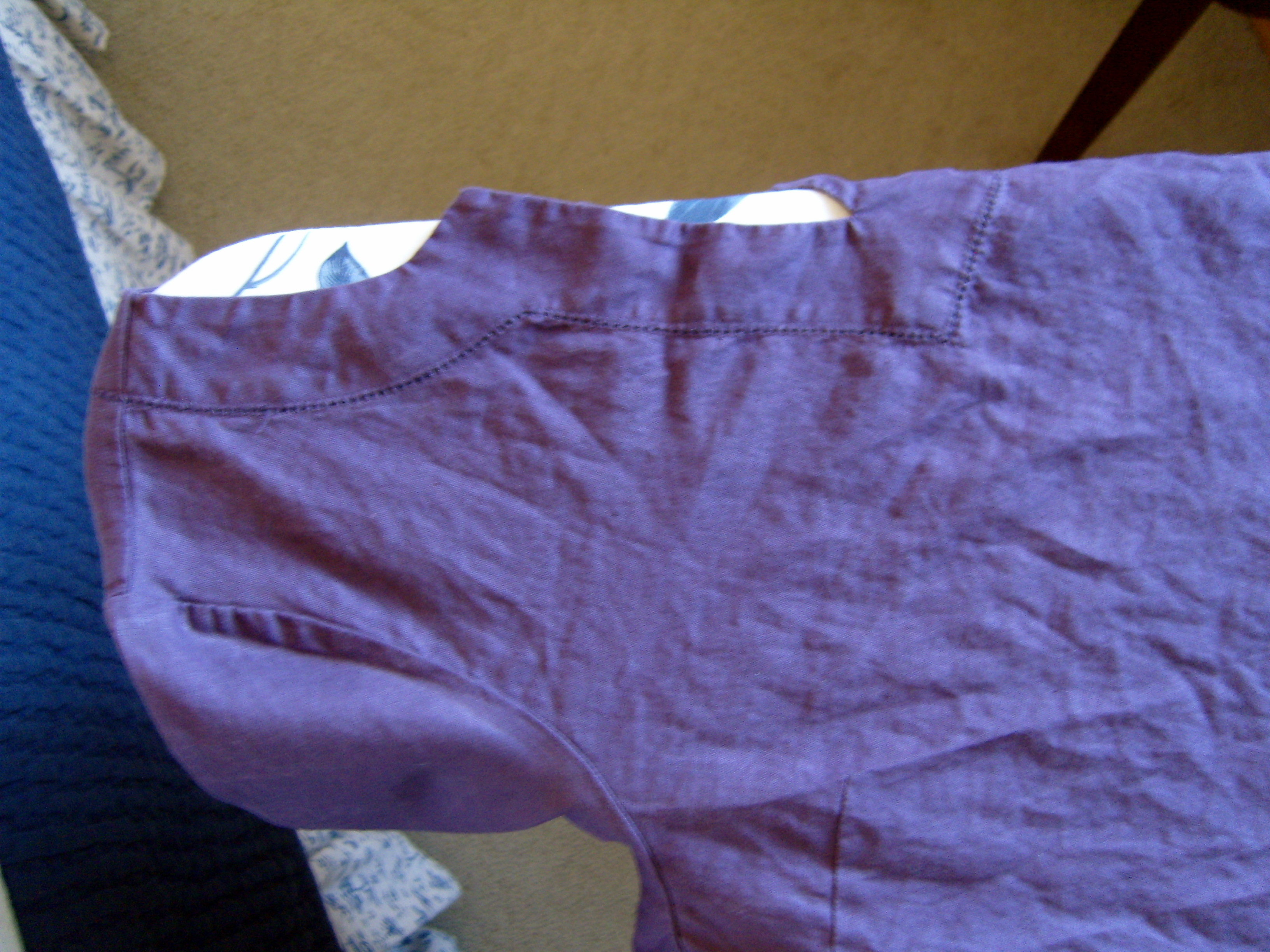
But wait! you cry. My shirt looks completely different! Never fear. The technique is the same no matter the shirt: start with the fiddly bits, and work top to bottom. Here’s a linen tunic of mine that doesn’t have a yoke or collar.

This one’s easy. Iron the sleeves first, then the front, then the back. I used the spray button on my iron to sprinkle the stubborn creases with water.
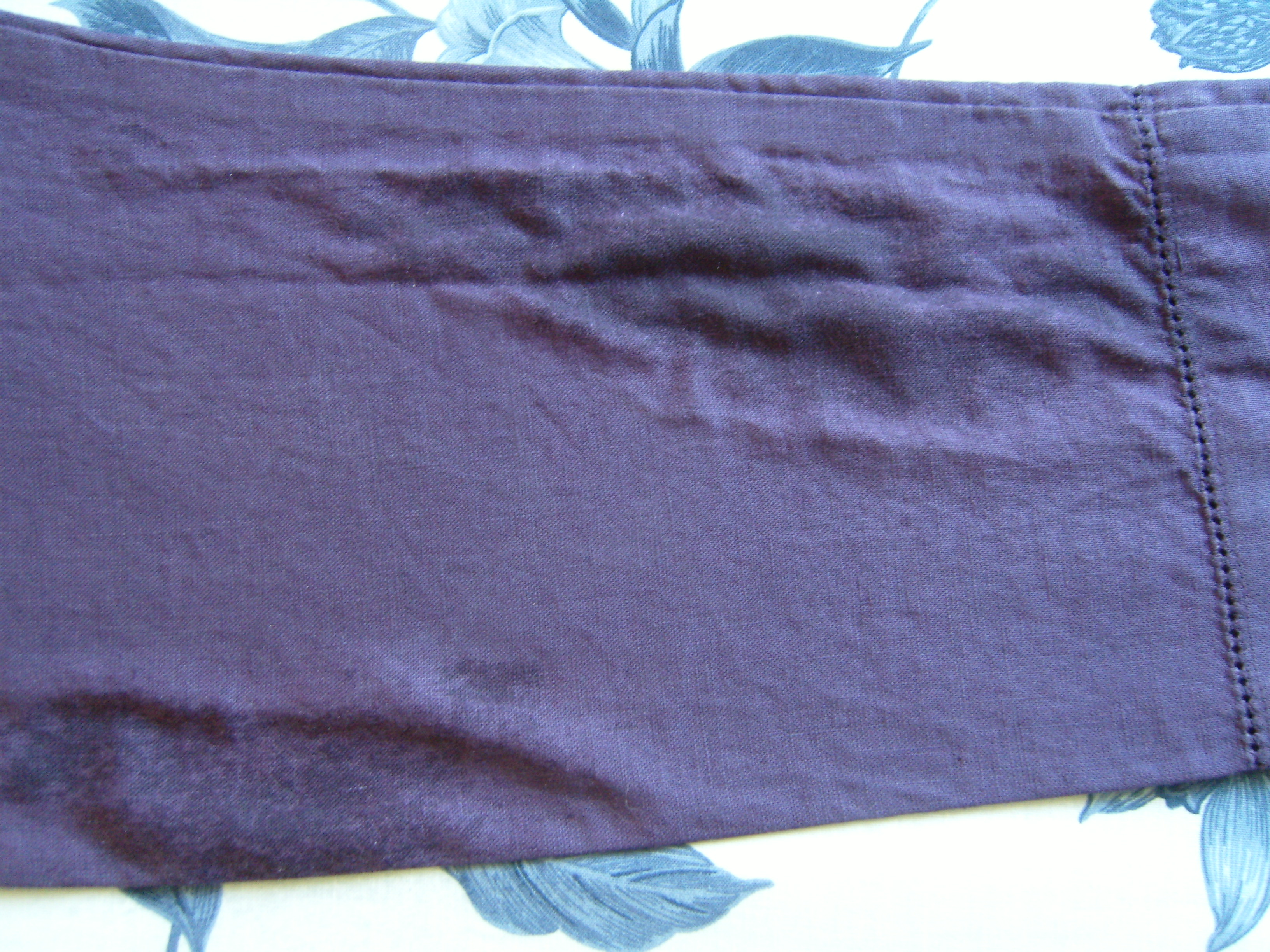
Now I have a freshly ironed top to wear with my pearls and heels. I like to look nice when Wally and the Beaver get home from school. But I’ll have to remember my pretty apron, because we’re having fish tacos for dinner and those things are MESSY.

Pan roasted radishes

Some nights I really struggle with summoning the energy to make dinner. Can’t everyone just pour themselves a bowl of cereal and call it a night? Naturally, this feeling is nearly always a result of failing to plan a menu. Or despite the plan, forgetting to defrost the meat.

But other nights, when the plan and the defrosting come together, making a beautiful dinner on a weeknight is no trouble at all. Roast chicken from Jamie Oliver (425 degrees for an hour and 15 minutes), with herbs slipped under the skin and stuffed with garlic; rice; a quick pan sauce; leftover roasted butternut squash (I don’t even like smoked paprika or sage–except now I do!); and an easy side of pan-roasted radishes. Their bright red skins turn gently pink, and their peppery bite becomes sweet and tender.

I suspect radishes aren’t in regular rotation in most households, except occasionally sliced into a salad. I vaguely remember finding this recipe in a long-ago Martha Stewart magazine. At this point, I’m not sure if I’m following the original recipe, but here’s what I do:

Wash and trim the radishes (one bunch is just enough for two people), and slice them in half lengthwise. If the stems are nice and fresh, leave a little bit of the stem. Over medium heat, melt 2 Tbsp. butter in a skillet. Add the radishes and cook for a couple of minutes. Pour in 1/2 cup of water and cover. Let the radishes steam/roast until fork tender (check on them every 5 minutes or so to make sure they don’t burn). When tender, uncover and add salt to taste.

My 9-year-old and 6-year-old each ate one bite without gagging. Miss Six even said, “It’s fine. Kind of sweet.” A ringing endorsement from a couple of vegetable haters that should tell you that these radishes are delicious, and you should run out and try them as soon as possible.

Crossing them off, one by one

I don’t know about you, but I can only keep so many balls in the air. There are some that are perpetually in orbit: feeding and clothing (and occasionally bathing) the kids, supervising schoolwork, paying the bills. Putting gas in the car, buying groceries, keeping up with the dirty dishes. Most everything else has to stand in line and wait until I have two seconds, and can actually remember what it is I was going to do. That includes trying new recipes, reading, watching television, DIY projects, and anything involving the garden or cleaning the garage.

But I’ve been greatly motivated by a project from one of my favorite blogs, Pancakes and French Fries. Jules has taken the well-known quote from William Morris: “I will have nothing in my home that I do not know to be useful, or believe to be beautiful,” as inspiration for accomplishing one project a week to make her home more functional and beautiful. So I’m going to join her William Morris Project, and see how many items I can cross off my very long list of Things I’d Like to Do Around the House. It helps me to have a schedule and some accountability, so I’ll be posting about my weekly project here every Thursday. If you don’t see me, feel free to comment and prod me! We’ll see how creative my excuses can be.

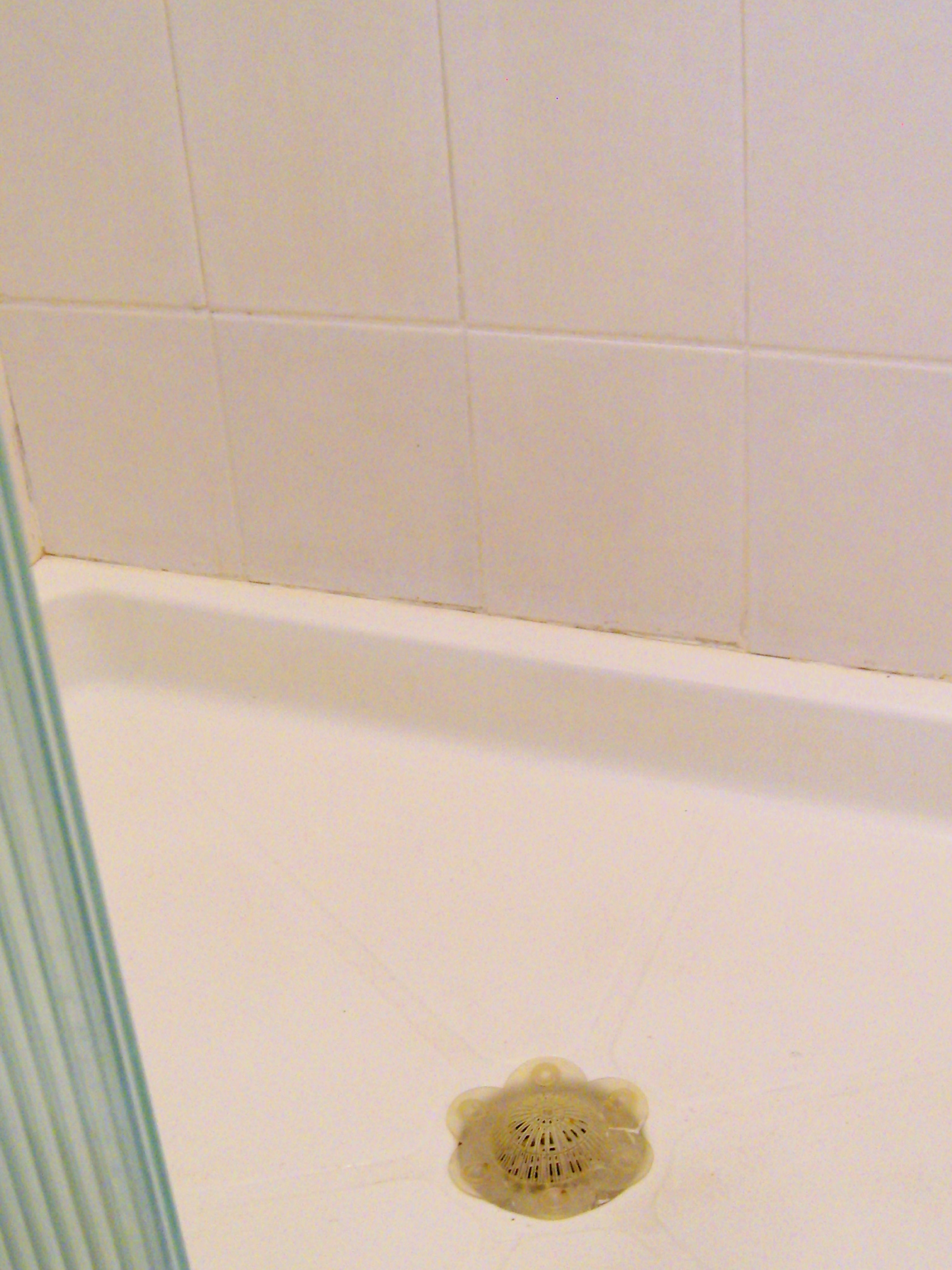
This week’s project was to recaulk the shower. It did in fact take me an entire week. I spent a couple days scraping and scrubbing out the old caulk. Several more days passed while I tried various methods of killing the black mold that had grown all around the grout and caulk on the bottom. A stiff scrub brush and straight bleach worked pretty well (don’t forget the rubber gloves and plenty of ventilation if you try this), and an overnight application of Clorox Bleach Pen killed what I couldn’t scrub away. I don’t have any good before pictures of this stage–did you really want to see that? Here’s what it looked like after I bleached the grout:

The next step involved finding the caulk gun and the caulk, which required pulling the van out of the garage so I could open the cabinet where I keep my caulk collection. This was a real stumbling block for me. I had to put shoes and a coat on, and actually go outside in the cold. Then I discovered that the caulk had dried up (why don’t all these tubes come with caps?) , but by that time I had to pick up Little Four from preschool. We stopped at the hardware store (this time I bought the expensive caulk–the kind with a cap) on our way to pick up the big kids from school, and since I was on a roll, I caulked that shower as soon as I got home–even before dispensing snacks or directing the unpacking of backpacks. I was going to use painter’s tape to get nice clean lines, as I saw in several online tutorials on the subject, but I completely forgot until I was almost finished. Fortunately, I didn’t make too much of a mess, and the shower pan and tile are white, so any mistakes aren’t too obvious. My next recaulking job is in the kitchen, though–between the white marble tile backsplash and black granite counter. I won’t forget the tape there!

So now that the shower is looking much cleaner, more in keeping with all the work we’ve done trying to spruce the place up (new paint on walls, vanity and medicine cabinet, new faucet and hardware, and new towels), I did one last project. We like using shower cleaner spray to keep the shower relatively clean in between scrubbings, but we’re forever running out of the stuff, and I try not to run to Target too often (we all know what a struggle it is to get out of there without dropping $100). When I cleaned out my desk last week, I found the recipe for a homemade shower spray, and lo and behold! I had all the ingredients in the house!

First, check out my tidy desk drawer:

I know, you can actually see the bottom of the drawer. Weird. But here’s what you need for some shower spray:

There you have it. Clean shower, fresh caulk, homemade shower spray. I feel much better about my fresh new bathroom (though I’d like to remove the shower doors one day soon–keeping those things clean is a miserable task–and even when they’re clean, they’re still ugly).

Next week I’ll show you my progress on the rest of the master bedroom. We’ve already made a lot of changes, but I’m down to those details that are easy to put off until you completely forget to do them at all. Knobs on the new closet doors, new pillow covers, rehanging pictures…exciting stuff, people!

What projects are on your to-do list this year? Anyone else up for joining the William Morris Project?

Birthday pie

Today is He-Who-Was-Formerly-Known-as-Eight’s birthday. Today he is NINE. No, I don’t know where the time has gone. Somewhere along the line there were long nights of rocking in a darkened room, long days of pretending to be Stephanie to his Sportacus. But Lazytown moves have been replaced by karate, and the chattering toddler has evolved into a voracious reader after my own heart, falling asleep most nights with a book on his chest. The preschooler who disassembled everything he could get his hands on (especially flashlights and ballpoint pens) has become an eternally curious researcher who studies the instruction manual and warranty, and prints out the shipping label to send his broken electronics in for repair.

We’re not having a big party this year (we have them every other year), so we’re having a quiet family dinner tonight and a movie with a friend this weekend. The birthday menu requested: Breaded chicken filet sandwiches, homemade macaroni and cheese, and chocolate pie. No cake, just pie. That’s my boy.

Chocolate Cream Pie
adapted from Gourmet

1 baked 9″ pie shell

2/3 cup sugar

1/4 cup cornstarch

1/2 tsp. salt

4 large egg yolks

3 cups whole milk

5 oz. bittersweet chocolate

2 oz. unsweetened chocolate

2 Tbsp. softened butter

1 tsp. vanilla

Topping:

3/4 cup chilled heavy cream

1 Tbsp. sugar

Melt both chocolates in a double boiler or the microwave. Stir until smooth and set aside. Whisk together sugar, cornstarch, salt and egg yolks in a heavy saucepan.  Then whisk in milk, pouring it into the pan in a slow stream. Bring the mixture to a boil, continuing to whisk, until thickened. Reduce the heat and simmer for 1 minute. Remove from heat, and whisk in chocolates, butter and vanilla. Transfer the filling to a bowl and cover the surface with a piece of buttered wax paper. Cool completely.

Spoon filling into pie shell and chill pie, loosely covered, for at least 6 hours. Just before serving, beat cream with sugar with an electric mixer until it holds stiff peaks and spread on top of pie. If you like, garnish with chocolate shavings or a dusting of cocoa powder.